extended warranty florida comparison guide for confident coverage decisions
Why coverage in Florida often pays off
Heat, humidity, salt air, and year-round driving stress vehicles and home systems. An extended plan can stabilize repair costs, protect cash flow, and shorten downtime - especially for air conditioning, which fails hardest right when you need it most.
It's not insurance; actually, in Florida these are service contracts that the state oversees through the insurance regulator. The benefit to you is simple: clearer rules, clearer remedies.
What "extended warranty" usually means here
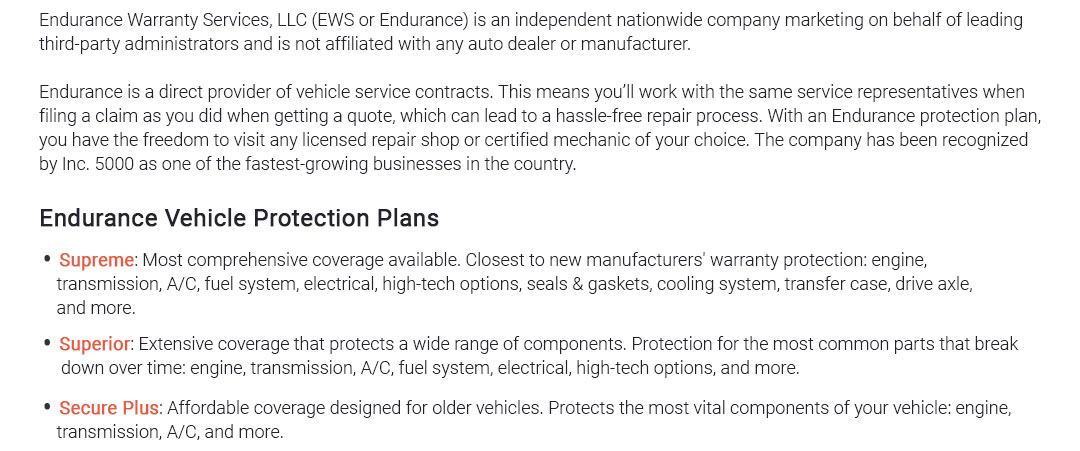
Service contract is the formal term. It's a written agreement to repair or replace covered items after the manufacturer warranty ends. In Florida, providers must be authorized and the contract must spell out coverage, exclusions, claims steps, and cancellation terms.
Stated-component: A list of covered parts. Good middle ground, but anything not listed is excluded.
Exclusionary ("bumper-to-bumper"): Lists what's not covered. Broadest, yet still excludes wear items and trim - so "bumper-to-bumper" is true, except it isn't.
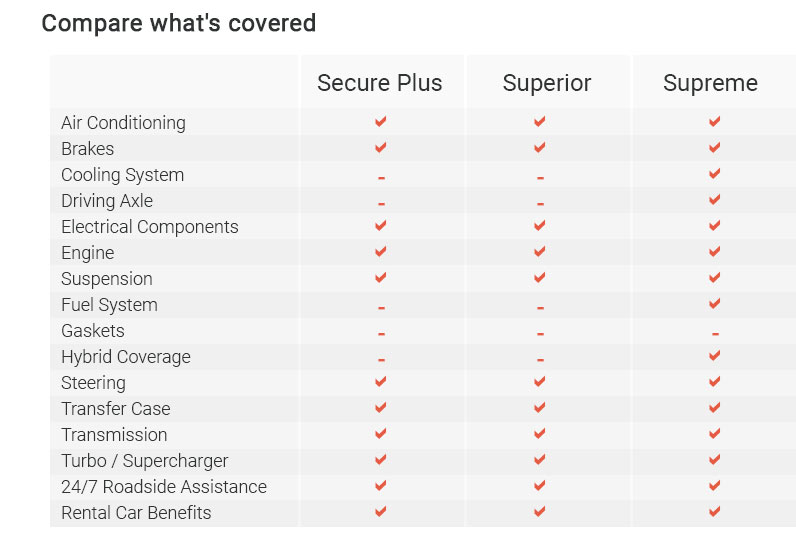
Florida fit: Look for strong A/C coverage, roadside assistance, rental/ride-share allowance, and labor-rate caps that match metro Florida shop rates.
Home and appliance warranties
Whole-home: HVAC, plumbing, electrical, select appliances. One service fee per call; contractor network required.
Systems-only: Focused on HVAC or major systems. Often best for Florida homes with older condensers/air handlers.
Appliance-only: Refrigerators, washers, etc. Lower price, narrower help.
Florida watch-outs: Corrosion, pre-existing issues, improper installation, and storm/wind-driven water are commonly excluded. Roof-leak coverage, when offered, is usually patch-only.
Other categories
EV/Hybrid plans: Inverter, charger, battery-cooling systems may be covered; traction batteries often have separate rules.
RV/Marine: Useful near the coast; moisture intrusion is a frequent exclusion - read closely.
Value math: a quick framework
Estimate likely failures (A/C compressors, control boards, water heaters, infotainment screens) based on age, mileage, and climate.
Compare total plan cost + deductibles vs. average repair bills at local Florida rates.
Prefer per-visit deductibles over per-repair when multiple components might fail together.
Confirm rental car/alternative cooling options (portable unit allowance for home plans is rare but helpful).
Florida rules in plain English
Provider authorization: Companies selling service warranties must be licensed/authorized in Florida and financially backed.
Contract clarity: You must receive a written agreement naming the obligor, stating coverage, exclusions, claim steps, and cancellation/refund terms.
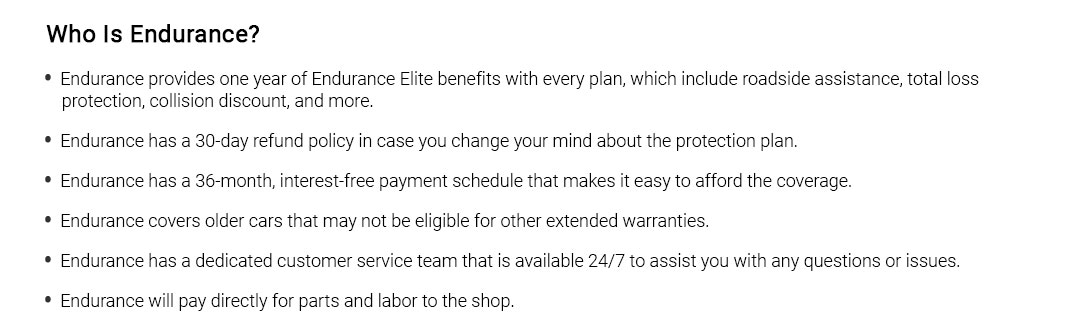
Cancellation and refunds: Pro-rata refunds are common; fees may apply. Check the free-look period stated in your contract.
Claims process: Pre-authorization is typically required. Unauthorized repairs risk denial.
Transferability: Many vehicle contracts allow transfer to a new owner for a small fee; it helps resale value.
How to choose (comparison-guide POV)
Match the risk: High-mileage commuter in Orlando? Prioritize powertrain and A/C. Coastal homeowner? Prioritize HVAC with corrosion language you can live with.
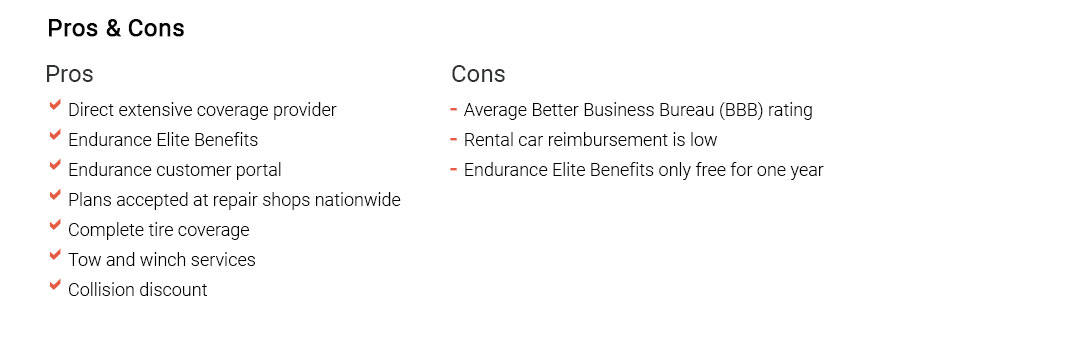
Verify the provider: Confirm Florida authorization and who pays claims (the obligor), not just the marketer.
Check the network: Some plans let you pick any licensed shop; others require the network. Freedom sounds great - until you need fast parts availability.
Scrutinize limits: Labor-rate caps, parts pricing methods, coverage caps per visit or per term.
Read exclusions: Rust, refrigerant recapture, code upgrades/permits, refrigerant type changes, and smart-thermostat compatibility.
Know your deductible: Per visit vs per repair, disappearing deductibles at selling dealer, and higher deductibles for after-hours calls.
A realistic Florida moment
On I-4 in August, the cabin air goes warm. You call your vehicle service contract, get a tow to an authorized shop, and the advisor pre-authorizes an A/C compressor and dryer. You still pay the deductible, but not the surprise $1,400 parts-and-labor. Slightly inconvenient - much less painful.
Common pitfalls to avoid
Skipping maintenance - filters, fluids, coil cleaning. Plans can deny for neglect.
Unapproved mods or non-OEM refrigerants and coolants.
Home plans charging multiple service fees when two trades are needed on one problem; ask how they handle that.
Assuming "like-kind replacement" means brand-for-brand; it often means function-equivalent.
Thinking you can always choose any shop; some contracts require the network. The trade-off is faster claim handling.
Who each plan fits best
Newer vehicle, nearing factory end: Exclusionary plan for comprehensive coverage.
Older, high-mileage car: Stated-component with strong A/C and electrical coverage.
Single-family home with aging HVAC: Systems-focused home warranty with clear coil/compressor terms.
Condo owners: Appliance-only or limited systems, mindful of HOA responsibilities.
Pre-purchase checklist
Contract sample reviewed line-by-line before you pay.
Authorized provider in Florida; obligor and insurer (if any) clearly listed.
Waiting period, term length, start mileage/date, and maximum liability.
Claim steps, emergency after-hours rules, and documentation required.
Deductible type, service fees, and trip/diagnostic allowances.
Coverage for refrigerant, code upgrades, permits, and haul-away.
Transfer and cancellation rules, fees, and refund method.
Stated-component: Only the listed parts are covered.
Wear item: Consumables typically excluded (pads, filters, wiper blades).
Service call fee: Home warranty per-visit charge to dispatch a contractor.
Per-visit deductible: One deductible per shop visit, not per replaced part.
Consequential damage: Damage caused by a non-covered part; coverage varies.
Bottom line: extended warranty florida decisions reward careful reading and a climate-aware coverage map. Budget smoothing is the main win - although paying upfront can pinch; a monthly plan with fair cancellation terms may fit better. Explore OEM, dealer-sold, and direct providers only as far as your needs justify, and choose the contract that explains its limits just as clearly as its promises.